Central Asia Shepherd Dog
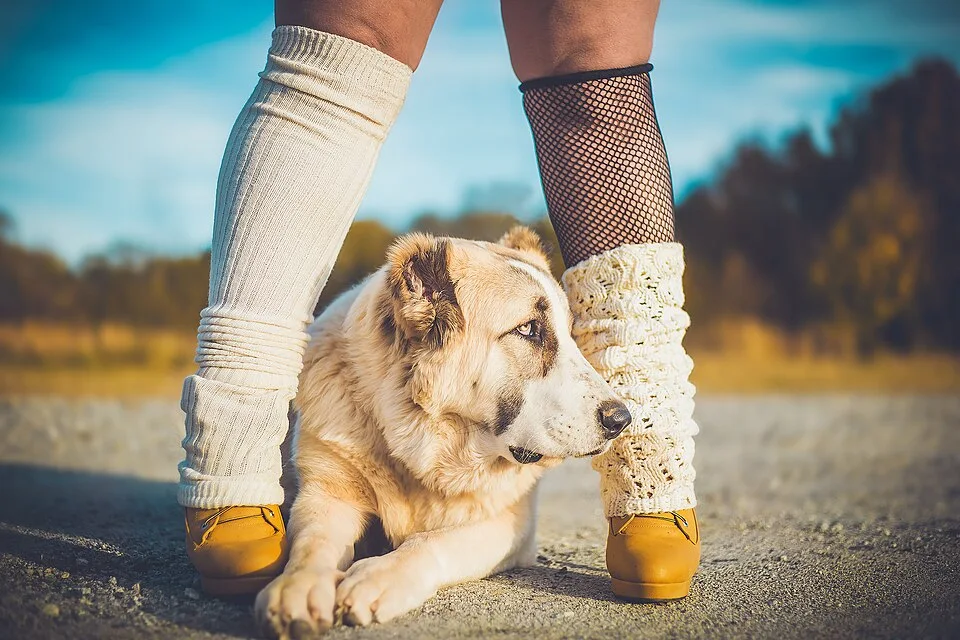

Temperament
Independent, Courageous, Self-confident
[5]A guardian across a broad region
The FCI historical account describes development across territory from the Caspian Sea to China and the Southern Urals to Afghanistan, with dogs guarding livestock, caravans and their owners’ dwellings.
[1]A robust body and independent nature
The standard describes strong bone and musculature, with a body slightly longer than the height at the withers. Its temperament description also notes watchfulness and territorial instinct.
[1]A double coat from short to long
The straight, coarse coat has a well-developed undercoat. It may be 3–5 cm long, or 7–10 cm with longer hair on the neck, behind the ears, backs of the limbs and tail. FCI accepts all colours except genetic blue and brown in any combination and a black mantle on tan.
[1]Background and human relationship
A large shepherd dog used across Central Asia, valued for strength in varied climates. JKC lists Russia in its country field but describes work across Central Asian republics and neighbouring regions; these are different aspects of the record.
[2]Build and coat
Heavy bone, developed muscles and thick skin are characteristic. Body length slightly exceeds height, and loose neck skin may be visible. Proportions and neck outline can be compared with the Caucasian Shepherd.
[2]Colour and comparisons
JKC describes white, black, grey, straw, rusty shades, grey-brown, brindle and piebald. Self-colour, large white areas and striping are separate features; this source's colour scope is not automatically substituted for another registry's.
[2]Registry-specific coat lengths
UKC distinguishes long and short double coats, with outer hairs of 2–3 inches and 1–2 inches respectively. FCI instead gives 3–5 cm and 7–10 cm and sets its own colour exclusions. These remain separate registry descriptions, without combining their measurements or colour rules.
[3]